What to Expect from a Classical Christian School
Classical Christian Schools are significantly different than traditional public and private schools. Where traditional schools adhere to a common core “baseline” standard. classical schools compel students to excellence..
Most traditional Christian schools will provide Bible class in addition to common core standard courses. The Classical model integrates biblical principles into every course, showing how each subject is relevant to the Christian faith.
In traditional schools, lecture is the primary means of education. In classical schools, students are taught through the Socratic method. Students are encouraged to ask lots of questions and seek to understand and appreciate others’ points of view.
Classical education focuses more on oral presentation and exposition than any other educational philosophy. Students are trained to communicate effectively, write persuasively, and adorn their knowledge with eloquent language, a skill that will help them excel in post-secondary education, various careers and relationships.
Trivium
The trivium is an educational philosophy that divides learning into three stages: grammar, logic, and rhetoric.
The grammar phase consists of early childhood education, usually grades K through 5. During this phase teachers capitalize on children’s natural tendency to memorize facts. Grammar school students spend a significant amount of time studying language. One’s ability to communicate and comprehend both verbal and written communication is the foundation of all learning and relational growth.
The logic phase consists of grades 6 through 8 and focuses on reasoning and critical analysis. During this phase. students begin to makes sense of facts, develop and test hypotheses, and identify logical fallacies.
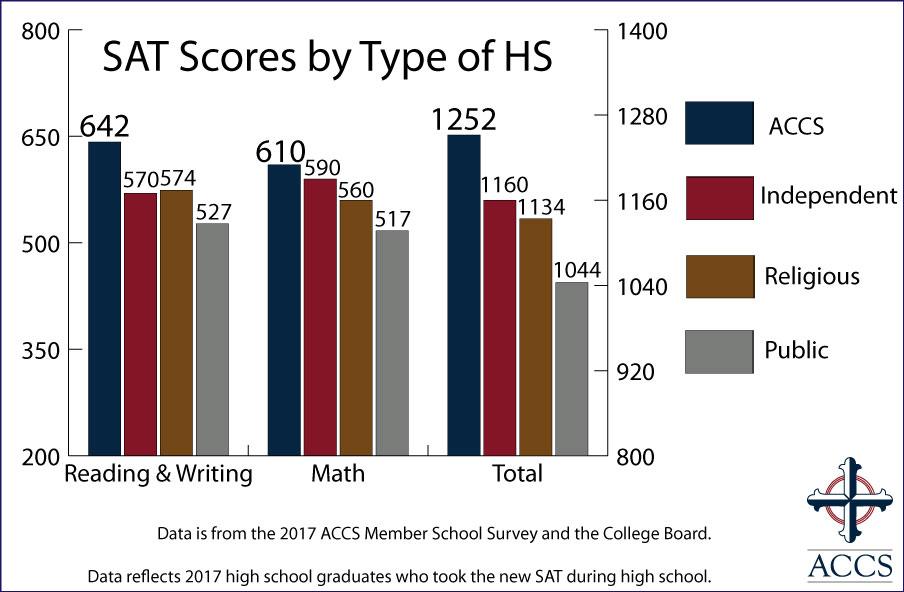
The rhetoric phase consists of grades 9 through 12. Rhetoric students who have been classically trained are very articulate, excellent writers, and can spot a fallacy from a mile away. Debate, apologetics, and discussion are all important aspects of the rhetoric phase. Classically trained students consistently outperform their public and private school counterparts on standardized tests.